2026 Best Solar Power Heat Lamp for Global Buyers?
Choosing the 2026 Best Solar Power Heat Lamp requires more than comparing brightness, prices, or attractive product photos. Global buyers face different climates, installation rules, energy needs, and seasonal sunlight. A lamp that performs well on a sunny Australian patio may struggle during cloudy winters in northern Europe. The right choice depends on measured heating output, battery capacity, panel efficiency, weather resistance, and safe mounting.
Real-world testing should examine how quickly the lamp warms a defined area, how long it operates after limited sunlight, and whether its controls remain reliable outdoors. Details matter. A sealed housing, stable bracket, protected cable, and clear charging indicator can prevent daily frustration. Buyers should also check IP ratings, electrical certifications, warranty terms, replacement parts, and local import requirements. Technical claims deserve careful verification.
No single model wins everywhere. That is important. Some products advertise powerful heat but provide limited coverage. Others offer excellent solar charging yet produce modest warmth. Performance can also decline in shade, dust, freezing temperatures, or heavy rain. This guide compares practical features for homes, farms, hospitality spaces, workshops, and emergency outdoor use, while recognizing those limitations. It focuses on dependable value rather than exaggerated promises. The best Solar Power Heat Lamp should match its environment, operating schedule, and safety expectations. Careful selection may cost more initially, but it can reduce maintenance, battery replacement, and disappointing winter performance.
What Is a Solar Power Heat Lamp?
What Is a Solar Power Heat Lamp?
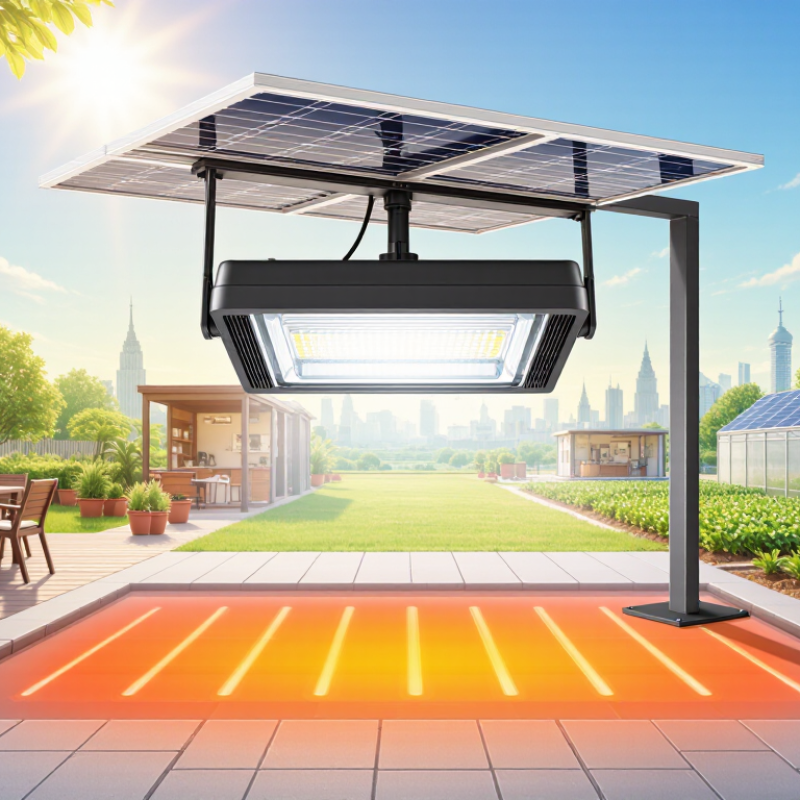
A solar power heat lamp is a heating device powered by sunlight. A solar panel converts sunlight into electrical energy. That energy either runs the lamp or charges a battery for later use. The system usually includes a panel, battery, charge controller, heating element, and protective housing. Unlike a regular bulb, its main purpose is radiant warmth, often produced through infrared energy. You may feel the heat on your hands without warming the entire room.
In practical use, the lamp can support small outdoor areas, animal shelters, workshops, or temporary heating zones. A sunny afternoon may charge enough energy for several evening hours. However, cloudy weather, short winter days, dust, and poor panel placement reduce performance. A buyer should check the heating wattage, battery capacity, charging time, operating temperature, and panel size. A 100-watt heater can quickly drain a small battery. Weather matters.
Reliable models should protect electrical parts from rain and accidental contact. Look for clear water-resistance information, stable mounting, ventilation, and automatic overheat protection. Keep flammable materials away from the heating surface. Global buyers should also confirm plug types, voltage compatibility, recycling arrangements, and relevant local safety requirements. Product descriptions sometimes promise more heat than real conditions provide. I would test the lamp during the coldest expected period, not only under bright showroom sunlight. Its usefulness depends on design, sunlight, insulation, and honest capacity figures.
How Solar Heat Lamps Work and Store Renewable Energy
Solar heat lamps do not create warmth directly from sunlight. A photovoltaic panel converts daylight into electricity. A charge controller directs that electricity into a battery. At night, the battery powers an infrared heating element through a control circuit. The element produces radiant heat, warming nearby people, tools, or sheltered surfaces instead of heating the entire air volume. That difference matters in windy outdoor spaces.
Storage is the practical core. A reliable system needs enough panel capacity for daily charging and enough battery capacity for evening demand. A 12-volt battery rated at 100 amp-hours stores about 1.2 kilowatt-hours before conversion losses. Real output is lower. Cold temperatures, cloudy skies, aging cells, and controller losses reduce available heating time. I would measure nighttime wattage, operating hours, and local winter sunlight before choosing equipment. Small panels often struggle after several cloudy days.
For global buyers, panel angle, humidity, dust, and seasonal darkness can affect performance more than advertised lamp wattage. A weather-resistant enclosure, replaceable battery, and clear safety instructions matter more than decorative features. Check local electrical standards and battery disposal rules before importing any unit. Keep the heater away from curtains, dry leaves, and enclosed sleeping areas. Radiant heat feels immediate, but it cannot compensate for an undersized battery. This is where product comparisons become too optimistic. I once expected a small panel to recharge quickly after a cloudy afternoon; it did not. That mistake taught me to treat all-night heating as a testable claim, not a promise.
2026 Best Solar Power Heat Lamp for Global Buyers? - How Solar Heat Lamps Work and Store Renewable Energy
| System Configuration |
Typical Heating Output |
PV Array Size |
Battery Storage |
Estimated Night Runtime |
Approximate Daily Energy Yield |
Recommended Coverage |
Best Use Case |
| Compact 500 W System |
500 W electrical input; approximately 500 W infrared heat output |
400–600 Wp |
1.0–1.5 kWh lithium battery; 80% usable capacity |
1.4–2.1 hours at full power |
1.2–2.4 kWh on a 4–5 peak-sun-hour day |
4–8 m² in a sheltered area |
Personal workspace, small greenhouse, emergency spot heating |
| Standard 1,000 W System |
1,000 W electrical input; approximately 1,000 W infrared heat output |
800–1,200 Wp |
2.0–3.0 kWh lithium battery; 80% usable capacity |
1.4–2.1 hours at full power |
2.4–4.8 kWh on a 4–5 peak-sun-hour day |
8–15 m² in a sheltered area |
Patio, outdoor dining area, workshop, medium greenhouse |
| High-Output 1,500 W System |
1,500 W electrical input; approximately 1,500 W infrared heat output |
1.2–1.8 kWp |
3.0–4.5 kWh lithium battery; 80% usable capacity |
1.4–2.1 hours at full power |
3.6–7.2 kWh on a 4–5 peak-sun-hour day |
12–22 m² in a sheltered area |
Large patio, commercial outdoor seating, large greenhouse zones |
Solar Heat Lamp Technology and Selection Data
| Evaluation Dimension |
Practical Specification |
Why It Matters |
Global Buyer Guidance |
| Heating Element |
Carbon, quartz, or ceramic infrared element; 500–1,500 W typical range |
Infrared radiation heats people and surfaces directly rather than primarily heating air |
Select an output suitable for the target area and wind exposure |
| Solar Panel Rating |
Rated in watt-peak (Wp); 800–1,200 Wp is practical for a 1,000 W heater |
Panel output varies with sunlight, temperature, orientation, shading, and system losses |
Use local solar-irradiance data rather than assuming the rated output all day |
| Battery Chemistry |
Lithium iron phosphate (LiFePO₄), commonly designed around 80% usable capacity |
Provides higher usable energy and generally longer cycle life than lead-acid systems |
Check transport rules, low-temperature charging protection, and battery certification |
| Energy-Storage Formula |
Runtime ≈ battery capacity × usable fraction × inverter efficiency ÷ heater power |
A 2.0 kWh battery at 80% usable capacity and 90% inverter efficiency supplies about 1.44 kWh |
At 1,000 W, the example provides approximately 1.44 hours of full-power heating |
| Charge Controller |
MPPT controller sized for the array voltage and current |
MPPT technology generally extracts more energy than basic PWM control under changing conditions |
Verify maximum PV voltage, current, temperature rating, and local electrical requirements |
| Weather Protection |
Outdoor installation should use appropriately rated enclosures, connectors, and cable glands |
Moisture, dust, and condensation can create electrical and safety hazards |
Match the enclosure rating to the installation environment and follow local codes |
| Control Functions |
Two or more heat levels, timer, thermostat, battery low-voltage cutoff, and temperature protection |
Lower settings and automatic control extend runtime and reduce battery stress |
A 500 W setting can approximately double runtime compared with a 1,000 W setting |
| Safety Requirements |
Overheat protection, stable mounting, clearance from combustibles, grounded metal parts, and certified electrical components |
Infrared elements operate at high temperatures and can ignite nearby materials if incorrectly installed |
Follow the installation manual and applicable electrical, fire, and battery regulations |
Notes: PV yield estimates assume approximately 4–5 peak sun hours per day and about 75–80% combined system efficiency. Actual performance depends on location, season, shading, panel orientation, ambient temperature, battery condition, wind, insulation, and operating settings.
Key Features for Comparing the Best 2026 Models
The 2026 Best Solar Power Heat Lamp for Global Buyers?
Comparing solar heat lamps in 2026 requires more than reading advertised wattage. Actual warmth depends on panel size, battery storage, reflector design, and outdoor temperature. A 100-watt label may look impressive, yet poor conversion can produce weak heating after sunset. Check measured heat output at one metre, not only power claims. Short tests can mislead.
Battery capacity should match the intended heating period. For overnight use, look for lithium storage, clear amp-hour data, and a low-battery indicator. A practical model should provide several hours of stable output after a sunny day. Charging time matters in cloudy regions. Adjustable heat levels also reduce wasted energy. Tiny controls are frustrating.
Weather protection deserves close attention. Seek a verified outdoor rating, sealed cable ports, corrosion-resistant hardware, and a stable mounting bracket. The solar panel needs an adjustable angle, especially where winter sunlight is limited. Safety features should include automatic overheating protection, insulated surfaces, and dependable shutoff controls. Local electrical requirements and certification marks must be checked before purchase, because standards vary by country.
Some comparisons still overlook wind. A lamp can perform well in calm testing but shift or cool rapidly outdoors. I would also question vague claims such as “all-night heating.” Ask for test conditions, ambient temperature, battery age, and charging duration. Real performance is rarely perfect. That uncertainty should influence the buying decision.
Choosing the Right Solar Heat Lamp for Global Applications
2026 Best Solar Power Heat Lamp for Global Buyers?
Choosing the Right Solar Heat Lamp for Global Applications
Choosing the right solar heat lamp for global applications requires more than comparing wattage. Climate, installation, animal or workspace needs, and local safety rules all affect performance. A dry, sunny farm in Kenya needs a different design from a humid coastal workshop in Southeast Asia. Start with the required heating area, not the advertised panel size. Measure it.
For outdoor livestock shelters, look for weather-resistant housing, stable mounting, and a protected battery compartment. Adjustable output can reduce heat loss during mild nights and preserve stored energy. Check the battery’s usable capacity, charging time, and expected performance during cloudy periods. In northern regions, winter sunlight may be too weak for overnight heating without backup power. This is often missed. Use a thermostat or temperature sensor when steady heat matters, especially near young animals or sensitive equipment.
Global buyers should request test reports, electrical ratings, replacement-part access, and installation guidance in clear language. Confirm voltage compatibility before shipping. Look for recognized safety testing in the destination market, and ask how the unit handles overheating or water exposure. Field experience suggests that simple controls are easier to maintain than fragile extra features. I would question optimistic runtime claims, because shade, dust, and aging batteries change real results. No specification tells the whole story. A small pilot installation can reveal problems before a full purchase.
Installation, Maintenance, Safety, and Cost Considerations
2026 Best Solar Power Heat Lamp for Global Buyers?
Installation, Maintenance, Safety, and Cost Considerations
A solar heat lamp needs careful sizing, not just a large panel. A 100-watt lamp running six hours uses 0.6 kilowatt-hours nightly. Include battery losses, cloudy days, and winter sunlight. In practical installations, mounting the panel at the correct local tilt improves charging consistency. Keep the lamp away from curtains, dry leaves, and flammable insulation. That detail matters. The IEA PVPS Trends 2024 report recorded more than 1.4 terawatts of global photovoltaic capacity by the end of 2023, but local sunlight still determines real performance.
Use weather-resistant cables, sealed connectors, and a protected charge controller. Place batteries above standing water and provide ventilation where the battery design requires it. Applicable electrical codes and IEC safety requirements should guide installation. Infrared emitters become extremely hot, so a metal guard and stable bracket are essential. Do not rely on the solar controller alone. A separate fuse near the battery is a sensible safeguard.
Maintenance is simple, but often neglected. Clean dust from the panel monthly in dry regions, and inspect cable insulation after storms. Replace cracked connectors immediately. NREL’s photovoltaic degradation research commonly uses about 0.5% annual output loss as a planning assumption, though harsh heat and dust can accelerate decline. Cost comparisons should include battery replacement, mounting hardware, wiring, and labor. IRENA’s Renewable Power Generation Costs in 2023 reported utility-scale solar PV at about $0.044 per kilowatt-hour globally, but small heat-lamp systems usually cost more per unit of energy. My cautious view: payback estimates are often too optimistic, especially during cloudy seasons.