How to Choose the Best Solar Lantern for Your Needs?
Choosing the right Solar Lantern can significantly enhance your outdoor experience. According to solar energy expert Dr. Emily Carter, “A quality solar lantern can illuminate your nights and transform your space.” This statement reflects her extensive knowledge in renewable lighting solutions.
When selecting a Solar Lantern, consider various factors. You need to evaluate brightness, battery life, and design. Each aspect plays a vital role in determining functionality. Some lanterns may claim long-lasting power but fall short in real-world use. Testing them in different conditions is crucial.
A good Solar Lantern should also offer durability and portability. You might find attractive models that fail to withstand outdoor environments. Reflect on the balance between aesthetics and practicality. This choice can ultimately determine your satisfaction with the product.
Understanding Different Types of Solar Lanterns Available on the Market
When exploring solar lantern options, it's essential to understand the various types available. Solar lanterns generally fall into three main categories: portable, fixed, and multi-functional. Portable lanterns are lightweight and ideal for camping or outdoor events. They usually feature a simple charging mechanism and bright LED lights for efficiency. These are great if you frequently travel.
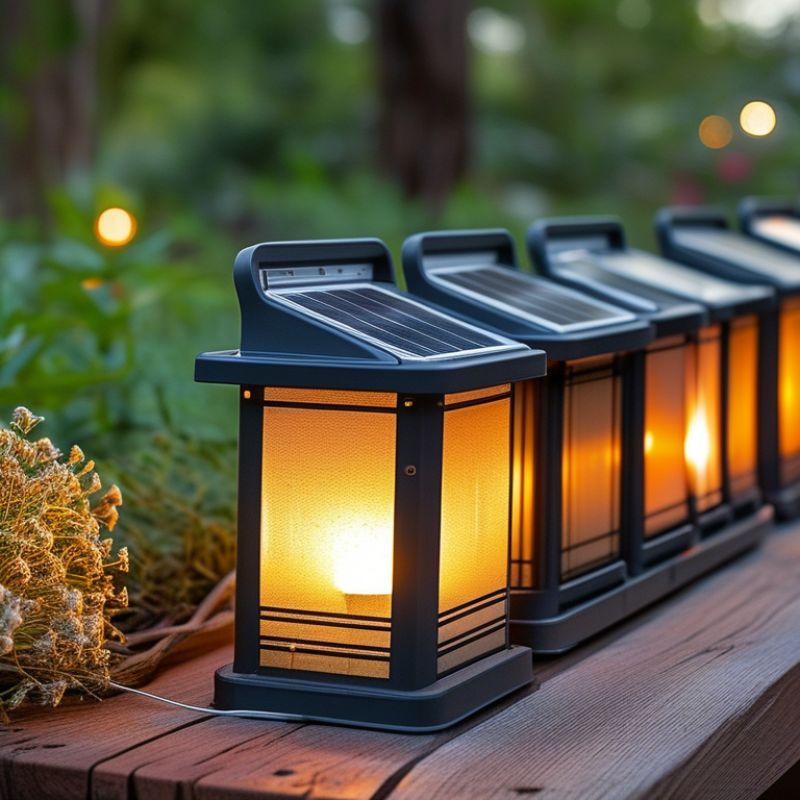
Fixed lanterns, on the other hand, are often used for home or garden settings. They may combine decorative elements with practical lighting solutions. These lanterns can be mounted or placed on tables. Many people appreciate their aesthetic appeal, though they may lack mobility. Consider how the design fits your environment.
Lastly, multi-functional solar lanterns come with added features, like Bluetooth speakers or USB ports for charging devices. However, their complexity might lead to slow users who struggle with setup. Always reflect on what you truly need. Spending extra doesn't guarantee better performance. Each lantern type has strengths and weaknesses, so think carefully before deciding.
Evaluating Brightness and Light Output for Your Specific Needs
When selecting a solar lantern, brightness and light output are crucial factors. Different situations require varying levels of illumination. For instance, a camping trip may need bright light for cooking or setting up tents. Alternatively, a backyard gathering might only require soft light for ambiance. Knowing your specific needs helps narrow down your choices.
Consider lumens when evaluating brightness. It measures how much light the lantern produces. A lantern with 100-300 lumens suits most general lighting tasks. However, for extensive outdoor activities, look for options exceeding 500 lumens. Reflect on your preferred usage areas, as this influences your decision significantly.
Tips: Always read product reviews. User experiences can provide insight into a lantern's true performance. Also, check light modes. Multiple settings enhance versatility. Remember, not all situations will require maximum brightness. Striking a balance between light output and energy efficiency is essential. Aim for a lantern that suits your lifestyle, rather than settling for the most popular option.
Assessing Battery Life and Charging Options in Solar Lanterns
When selecting a solar lantern, battery life and charging options are crucial. Many models claim to provide long-lasting power. However, the reality can vary significantly. According to a 2022 report from the Solar Energy Industries Association, effective battery performance is essential for user satisfaction.
Most solar lanterns utilize lithium-ion batteries, which typically last longer than lead-acid types. They can offer up to 500 charge cycles but depend heavily on sunlight exposure. Some customers report that inadequate sunlight results in shorter battery life. A precise understanding of your location's solar potential can aid in making the best choice.
Charging options also play a pivotal role. Many lanterns offer solar and USB charging. This flexibility is helpful for diverse situations. If you find yourself in a shaded area frequently, you will need a lantern with alternative charging capabilities. Not all models come equipped with both options, leading to potential frustration during extended outdoor activities. Balancing these elements will give you a better and more reliable lighting solution.
Considering Durability and Weather Resistance Features
When selecting a solar lantern, durability and weather resistance are paramount. A quality lantern should withstand various weather conditions. Look for models made from sturdy materials like high-grade plastics or aluminum. These materials often resist rust and corrosion, ensuring longevity.
Check the IP rating of the lantern. An IP rating of at least 65 signifies resistance to water and dust. This can be crucial for outdoor use. Being caught in heavy rain should not spell disaster for your lantern. Additionally, consider how well it can handle extreme temperatures. Some models may crack or become less effective in severe cold.
It’s essential to reflect on your usage scenarios. Do you camp in remote areas or need a lantern for backyard gatherings? These contexts will influence your choice. While many lanterns boast high durability claims, it’s wise to read user reviews. Real-world experiences often reveal hidden flaws. Be aware that even the best products may have limitations. Understanding these aspects will lead to a more informed decision.
Exploring Additional Features and Their Importance in Solar Lanterns
When choosing a solar lantern, it’s essential to consider additional features that can enhance your experience. One important factor is brightness. Lanterns typically range from 100 to 1000 lumens. A higher lumen count means brighter light, which is crucial for outdoor activities like camping or emergency situations.
Battery capacity is another key feature. Most solar lanterns come with lithium-ion batteries, offering longevities of up to 500 charge cycles. Reports suggest that a 10,000 mAh battery can provide around 12 hours of continuous light. This is invaluable for extended use in remote areas.
Water resistance ratings, classified by IP standards, should also be a focus. A lantern with an IP65 rating can withstand water splashes and dust. This feature is vital for outdoor use, where unpredictable weather can impact functionality. Investing in a lantern with robust materials ensures durability and reliability through various conditions. Exploring these features not only provides the best value but also contributes to a more effective and enjoyable experience.