Top 10 Solar Panels Suppliers You Need to Know About?
In today’s green energy landscape, choosing the right solar panels supplier can feel overwhelming. With numerous options available, making an informed choice is crucial. The market is filled with suppliers claiming to offer the best products. However, not all panels perform equally well.
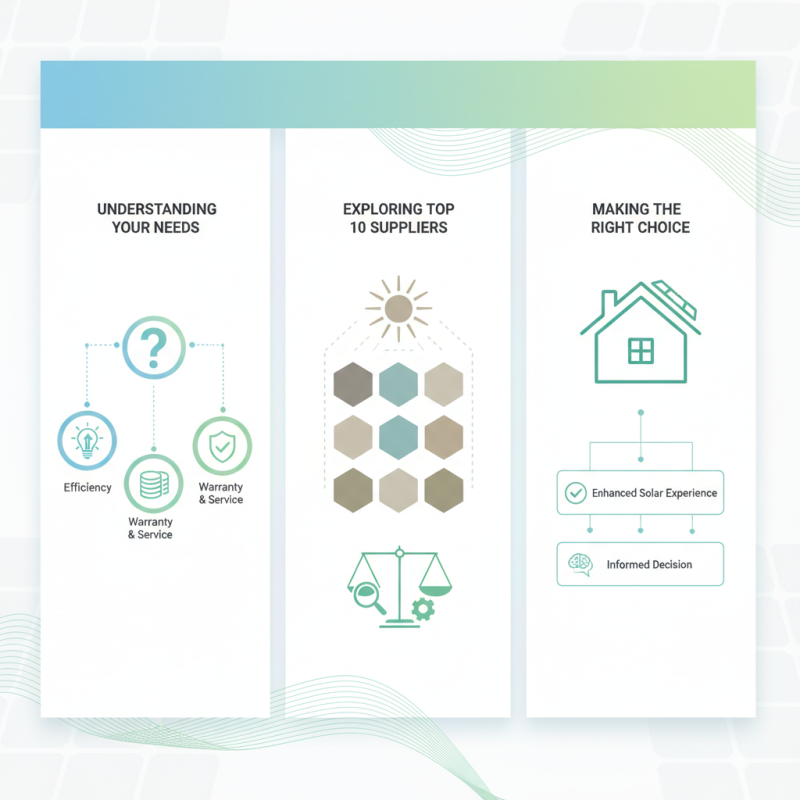
Understanding your needs is vital. Some suppliers focus on high efficiency, while others may prioritize affordability. Factors like warranty and customer service also play a significant role. It’s essential to consider what matters most to you.
As we explore the top ten solar panels suppliers, reflect on your priorities. Each supplier has unique strengths and weaknesses. Researching can help you find the best fit for your project. It’s not just about price; the right supplier can enhance your solar experience significantly.
Overview of the Solar Panel Industry and Its Importance
The solar panel industry has seen exponential growth over the past decade. In 2021 alone, the global solar photovoltaic (PV) market experienced a surge, reaching a capacity of 940 gigawatts, according to a report from the International Energy Agency. This rapid expansion reflects a wider shift towards renewable energy sources as countries aim to combat climate change.
Solar energy is crucial in reducing greenhouse gas emissions. The U.S. Energy Information Administration estimates that solar power can potentially offset about 2.5 billion metric tons of CO2 annually by 2050. However, the industry does face challenges. Production costs for solar panels have decreased, but supply chain issues remain prominent. These factors can complicate market accessibility, particularly for smaller projects.
Moreover, the recycling of solar panels is an ongoing concern. Currently, less than 10% of solar panels are recycled post-use, which poses environmental risks. The industry must enhance its sustainability practices to ensure that the growth of solar energy does not create additional environmental burdens. Stakeholders need to collaborate on solutions to these challenges.
Criteria for Evaluating Solar Panel Suppliers
When evaluating solar panel suppliers, it’s essential to consider a few key criteria. First, check their product quality. Look for panels that have a good efficiency rating. This rating reflects how much sunlight the panels can convert into usable electricity. High efficiency means more power generation, which is crucial for maximizing your investment.
Another important factor is warranty offerings. Suppliers should provide robust warranties for their products. A longer warranty indicates confidence in the product's longevity. You should compare different suppliers and their terms.
Tips: Always ask for customer reviews. These can reveal valuable insights. A supplier with positive feedback often delivers better service. Additionally, gauge their customer service. Quick responses and helpful support can make a significant difference.
Don’t overlook certifications. Verify that suppliers meet industry standards. This ensures safety and reliability. While many panels may look the same, differences in standards can impact performance. Stay informed to make a wise decision.
Evaluation of Solar Panel Suppliers Based on Key Criteria
Top 10 Solar Panel Suppliers: Introduction to Each Brand
When considering solar panels, various suppliers are worth exploring. Each brand has unique traits that set them apart in the competitive market. Some excel in technology, offering advanced solar products with impressive efficiency ratings. Others focus on affordability, making solar energy accessible to more homeowners. You might find one brand particularly attractive for its customer service and warranty options.
Quality and performance often vary significantly. Some panels perform better in low light, while others thrive in sunny conditions. It's essential to match the panel type with your location’s climate for optimal results. Many brands claim high energy production, but real-world performance may tell a different story. Customer reviews can be mixed; some buyers rave about their efficiency, while others express disappointment.
Choosing the right supplier requires careful consideration. You should examine not just the product but also the company’s reputation and long-term viability. What works today may not hold up in the future. Some brands might look great on paper but fail to deliver in real-life scenarios. It’s essential to seek honest feedback and weigh your options wisely.
Key Features and Innovations of Leading Solar Panel Brands
When considering solar panels, key features set brands apart. Many manufacturers focus on high efficiency. They emphasize energy conversion rates that push boundaries. Some panels can reach efficiencies over twenty percent. These advancements benefit homeowners and businesses alike.
Durability is another crucial feature. Leading brands develop panels that withstand harsh weather. They use sturdy materials to resist hail and heavy winds. Some panels come with warranties offering up to twenty-five years of performance. This reassures buyers of long-term investment.
Innovations also play a significant role. Many brands explore bifacial technology. These panels capture sunlight on both sides. This increases overall energy generation. Additionally, smart solar panels offer monitoring features. Users can track performance via mobile apps. This convenience leads to better energy management. However, new technologies may come with a learning curve. Users might need time to adjust to these innovations.
Market Trends Influencing Solar Panel Supplier Selection
The solar panel market is evolving. A recent report predicts that global solar installations will exceed 232 GW in 2023. This shift leads to a surge in demand for reliable suppliers. Selecting the right supplier is critical for installation efficiency and overall project success.
Price volatility remains a significant trend. Suppliers face fluctuating raw material costs, impacting solar panel pricing. Market reports suggest that polysilicon prices increased by 20% in the last six months. Buyers often struggle with inconsistent pricing. This creates uncertainty in long-term contracts, forcing companies to adapt rapidly.
Quality assurance is another key factor. Reports indicate that 15% of installed solar panels underperform their rated capacity. Consumers seek suppliers with proven reliability and warranties. Having certifications from recognized bodies boosts supplier credibility. As the market matures, transparency becomes essential. Detailed resource data can aid buyers in making informed decisions about their solar investments.