Are Digital Solar Bus Stops Showcased at the 139th Canton Fair?
At the 139th Canton Fair, an exciting showcase of "Digital solar bus stops" caught the attention of many industry professionals. Notable expert Dr. Emily Tran emphasized the importance of these innovations, stating, “Digital solar bus stops are transforming urban transportation.” These bus stops not only use renewable energy but also integrate smart technology for enhanced user experience.
The design of digital solar bus stops incorporates modern aesthetics and functional features. They provide real-time updates, ensuring passengers remain informed about bus arrivals. These structures might reduce carbon footprints while promoting sustainability in cities. However, challenges in maintenance and city planning remain.
Experts note that while interest is growing, the implementation of "Digital solar bus stops" in different cities requires careful consideration. There are questions surrounding costs and technology integration. Despite these concerns, the potential benefits are significant. This evolution invites reflection on how urban spaces can merge technology and sustainability.
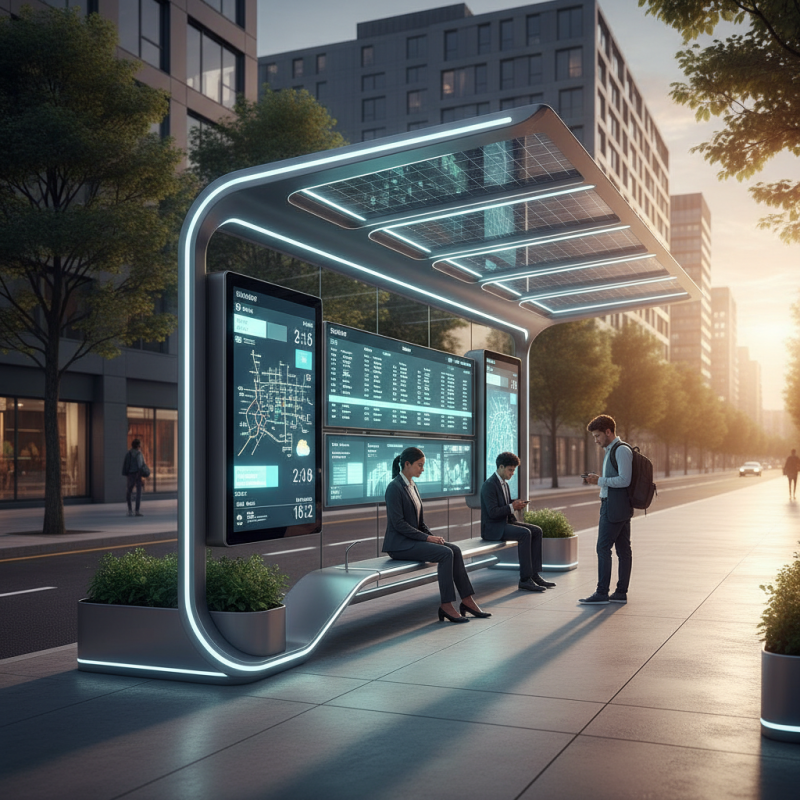
Digital Solar Bus Stops: Overview and Concept
Digital solar bus stops have emerged as innovative solutions in urban transport. These stops harness solar energy to power digital displays and other features. They aim to improve passenger experience while promoting sustainability. Designed to collect solar power, they can operate independently. This reduces reliance on traditional power sources.
These bus stops often include real-time information on bus arrivals. They provide maps and guides for travelers. Some models even feature free Wi-Fi, enhancing connectivity in public spaces. However, the implementation poses challenges. For instance, weather conditions can affect solar efficiency. Additionally, regular maintenance is essential for optimal functioning.
Tips: Ensure these stops blend well with the urban landscape. They should be user-friendly, particularly for the elderly. Encourage local communities to participate in the design process. Feedback can lead to better solutions. Engaging residents will cultivate a sense of ownership and pride in these modern amenities.
Innovative Features of Digital Solar Bus Stops
At the 139th Canton Fair, digital solar bus stops were highlighted. These innovative structures integrate clean energy and modern technology. With solar panels on their roofs, they harness sunlight to power various features. Reports indicate that the global smart bus stop market is expected to reach $1.3 billion by 2025, driven by urbanization and the demand for sustainable solutions.
The bus stops come equipped with digital screens. They provide real-time information about arrivals and departures. Users can also find directions and local services through these screens. Energy efficiency is a crucial aspect. Research shows that solar-powered devices can reduce energy costs by 50%-70%. However, streetlights and signage should be energy-efficient too. Otherwise, the overall savings may not be significant.
Maintenance is one area for improvement. Solar panels require cleaning for optimum performance. Regular upkeep can be overlooked in some areas. Local councils sometimes lack the budget or manpower for this. Furthermore, the effectiveness of this tech can vary based on location. Not every city has ample sunlight year-round, which raises questions about reliability. Balancing these challenges with innovation is key.
Sustainability Benefits of Using Solar Energy in Transit
Digital solar bus stops are gaining attention for their sustainability benefits. These stops use solar panels to harness energy from the sun. This energy powers lighting, digital displays, and even charging stations. With urbanization increasing, energy-efficient transit solutions are essential. Solar energy reduces reliance on fossil fuels. It minimizes carbon emissions significantly.
The implementation of solar technology has a unique appeal. It not only saves energy but also lowers operating costs for transit systems. However, initial installation can be expensive. Maintenance of solar panels may also require special skills. Overall, the long-term savings can be worth these challenges.
**Tips:** Consider local weather conditions before selecting a solar system. These can impact energy production. Regularly check the panels for dirt or obstructions. A clean panel collects more sunlight. Listen to community feedback about functionality too. Adjustments may be necessary to meet user needs.
Are Digital Solar Bus Stops Showcased at the 139th Canton Fair? - Sustainability Benefits of Using Solar Energy in Transit
| Feature | Details |
| Energy Source | Solar Energy |
| Primary Function | Information Display and Passenger Shelter |
| Sustainability Benefits | Reduces Carbon Footprint and Promotes Renewable Energy Use |
| Technology | Smart Digital Displays, Wi-Fi Hotspots |
| Maintenance Requirements | Low Maintenance Due to Solar Power |
| User Benefits | Improved Passenger Experience and Real-Time Updates |
Showcase Highlights from the 139th Canton Fair
The 139th Canton Fair revealed a range of innovative technologies, prominently featuring digital solar bus stops. These bus stops aim to enhance urban mobility and reduce carbon footprints. According to recent industry reports, the solar energy market is expected to grow at a compound annual growth rate (CAGR) of over 20% from 2021 to 2026. This growth demonstrates the increasing relevance of sustainable technology in urban infrastructure.
Many showcased solar bus stops incorporate charging stations for electric vehicles. This integration aims to promote greener transportation options. A report from the International Energy Agency indicates that by 2030, electric vehicle adoption could lead to a reduction of 1.3 gigatons of CO2 emissions per year. However, challenges remain in terms of installation costs and maintenance.
Despite the promising advancements, the implementation of these bus stops has raised questions. Some city planners worry about the reliability of solar energy in varying climates. The aesthetic integration of these structures into urban design also requires careful consideration. Striking a balance between functionality and visual appeal is crucial for public acceptance. The Canton Fair has spotlighted these issues, emphasizing the need for continuous dialogue and improvement in this field.
Highlights of Digital Solar Bus Stops at the 139th Canton Fair
This chart showcases the number of digital solar bus stop displays based on various regions, highlighting the growing adoption of sustainable transport solutions.
Future Trends in Smart Transportation Solutions
As cities evolve, smart transportation solutions become essential. Digital solar bus stops are a promising innovation in this domain. They are eco-friendly and reduce energy costs. A recent report indicates that smart transportation market size is expected to reach $220 billion by 2025. This growth emphasizes the demand for efficient public transport systems.
Digital solar bus stops do more than provide information. They can offer real-time updates, ensuring passengers are informed. Features like Wi-Fi access and charging stations also enhance user experience. However, the implementation can be challenging. Urban planning often struggles to incorporate such advanced solutions. Limited infrastructure can hinder progress. Cities must adapt quickly to these changes.
Data shows that 70% of commuters prefer more sustainable transport options. Solar bus stops align with this trend. The challenge remains in ensuring widespread adoption. Some areas may lack the budget for these installations. While the technology exists, actual usage may fall short of expectations. Investing in these solutions is crucial for smarter cities.