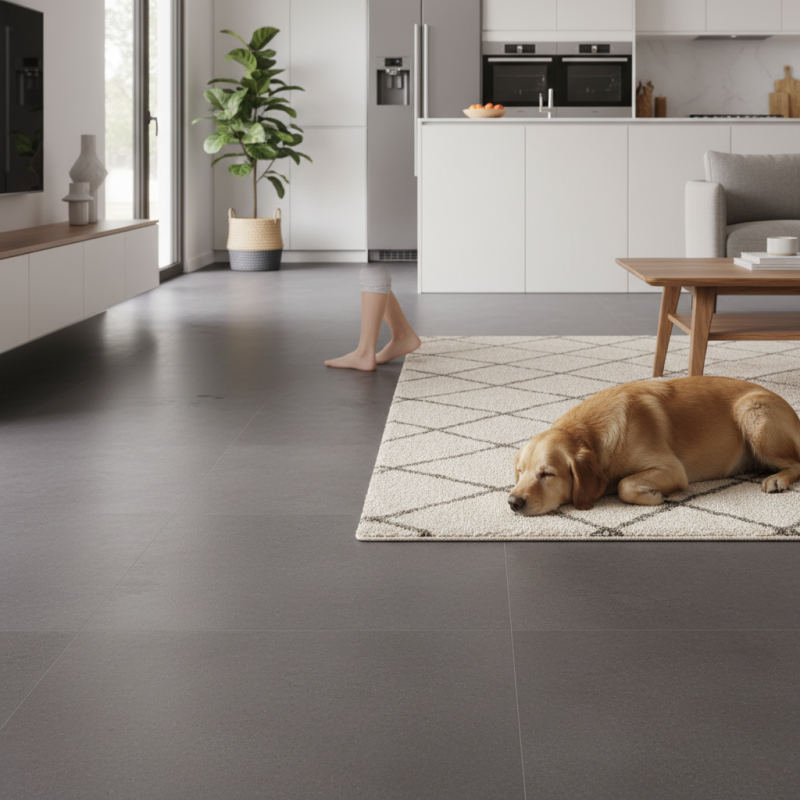
How to Choose the Best Homogeneous Floor for Your Home?
Choosing the right flooring for your home can feel overwhelming. A homogeneous floor is a great option to consider. It brings a seamless look and excellent durability to your space.
homogeneous floors are made from a single material, creating a uniform appearance. They are often easy to clean and maintain. Many homeowners appreciate the variety of colors and textures available. However, not all homogeneous floors are created equal. It’s vital to reflect on your lifestyle and needs before making a choice.
Think about the rooms in your home. Will your flooring endure heavy foot traffic? Do you have pets that may scratch the surface? These questions can guide your selection. Additionally, consider the installation process and whether you plan to do it yourself. This decision may affect your costs and time. By carefully weighing your choices, you can find the perfect homogeneous floor for your home.
Understanding Homogeneous Flooring: Key Features and Benefits
Homogeneous flooring is a popular choice for modern homes. Its unique features set it apart from other materials. One key aspect is its consistent structure throughout the entire thickness. This means that any wear and tear will be less noticeable, making it easier to maintain. Many people appreciate its durability, especially in high-traffic areas.
Another benefit is its wide range of colors and designs. You can find options that mimic natural stones or vibrant hues for a trendy look. This versatility allows homeowners to customize their space to reflect their personal style. However, finding the right design can be overwhelming. The diverse options might lead to indecision. It’s essential to envision how different styles will fit in your space.
Homogeneous flooring is also resistant to stains and moisture. This is especially useful in kitchens and bathrooms. Yet, some may find it cold underfoot, particularly in winter months. It is worth considering whether you want to add rugs for warmth. In the end, choosing the best homogeneous floor requires careful consideration of your lifestyle and design preferences.
Types of Homogeneous Flooring: Choosing the Right Style for Your Space
When considering homogeneous flooring, style is key. Many options exist, each suited for different spaces. For instance, in residential settings, wood-like finishes simulate warmth without the maintenance of real wood. This is appealing for family homes where durability matters. According to industry reports, over 30% of homeowners prefer designs that mimic natural materials.
In commercial spaces, a sleek, modern look is often desired. Glossy finishes are popular in retail environments. They reflect light and enhance visibility. Additionally, textured surfaces can provide safety. Reports indicate a significant rise in the popularity of anti-slip options, with demand increasing by about 25% in the past five years.
Choosing the right style can be challenging. It requires consideration of both aesthetics and functionality. Color selection plays an essential role. Light colors can make a space appear larger, while darker tones add elegance. Remember, trends change quickly. What looks good today may not hold the same appeal tomorrow. It's important to stay updated while selecting flooring that aligns with personal taste and lifestyle needs.
Evaluating Durability and Maintenance of Homogeneous Floors
When selecting a homogeneous floor, durability and maintenance play crucial roles. Many homeowners desire a flooring solution that can withstand daily wear and tear. Consider walking on various surfaces to feel their resilience. A tough floor might resist scratches, but it could still show wear over time.
Routine maintenance matters too. Some floors might require regular waxing or special cleaning solutions. This can become time-consuming and costly. A floor that seems easy to maintain at first might demand more effort later. Think about how much time you can devote to upkeep. A decision made hastily can lead to regrets down the road.
It’s important to evaluate the long-term costs associated with each option. Floors that need frequent repairs can add up quickly. Look out for surfaces that feel comfortable yet sturdy. A balance between aesthetics and practicality is essential. Finding the right homogeneous floor takes careful thought. Each choice comes with its own set of pros and cons. It’s worth reflecting on what truly suits your lifestyle.
Cost Considerations: Budgeting for Your Homogeneous Flooring Project
When budgeting for homogeneous flooring, it's vital to consider various factors. The average cost ranges from $2 to $8 per square foot, depending on the material quality and installation complexity. This range reflects diverse options, catering to different aesthetics and budgets.
Installation plays a significant role in your budget. Professional installation fees can add an extra $1 to $3 per square foot. Skilled labor is essential. Cutting corners on this could lead to messier finishes. Some homeowners might opt for DIY to save money, but this can backfire if not done right.
Beyond materials and installation, additional costs can arise. Expect expenses for underlayment and acclimation. These are sometimes overlooked but are crucial for longevity. A budget of around $3,000 for a medium-sized room is realistic, yet fluctuations in prices can occur. Researching local market trends helps avoid unexpected costs. Always keep room for contingencies; a few extra dollars can save a lot of trouble later.
Installation Options: DIY vs. Professional Services for Homogeneous Flooring
Choosing between DIY installation and professional services for homogeneous flooring can be challenging. DIY offers cost savings. You can control the process and timeline. However, it requires time and skill. A poorly installed floor might need repairs. This can negate any savings. Errors during installation can also lead to uneven surfaces, affecting aesthetics.
On the other hand, hiring professionals ensures a polished finish. They have the experience to handle the complexities of the job. They can quickly identify and fix problems. Nevertheless, hiring experts can strain your budget. Sometimes, their timelines may not align with your needs. You may feel hesitant to relinquish control over your space.
Consider your budget and skill level. Evaluate your willingness to take on a project. Homeowners often grapple with the fear of making costly mistakes. Balancing affordability with quality is crucial. Reflect on what matters most in your home.
Comparison of Installation Options for Homogeneous Flooring