How to Choose Solar Technology for Your Business?

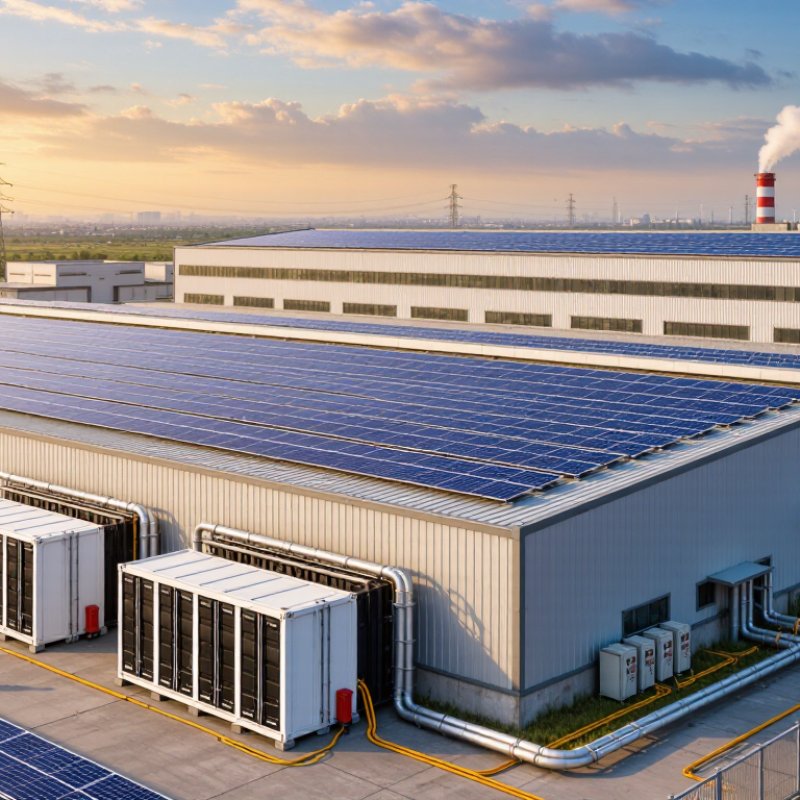
Choosing Solar Technology for a business is no longer a simple question of buying panels. It is an investment decision involving energy demand, roof conditions, tariffs, storage, and future expansion. A warehouse with a flat roof may favor lightweight rooftop modules. A factory with evening production may need batteries and intelligent inverters. The best system is site-specific.

The International Energy Agency’s Renewables 2024 report expects global renewable capacity to expand by nearly 5,500 gigawatts between 2024 and 2030. Solar photovoltaic systems account for most of that growth. IRENA’s Renewable Power Generation Costs in 2023 report also found that utility-scale solar costs have fallen dramatically since 2010. These figures show strong market momentum. They do not guarantee savings for every company. Shading, weak roof structures, grid limits, and poor maintenance can change the result.

“Solar is the new king of electricity markets,” said Fatih Birol, Executive Director of the IEA. His statement captures the sector’s direction, but business owners should remain careful. The cheapest panel is not always the best choice. A reliable decision compares efficiency, degradation rates, warranties, fire safety, inverter quality, installation experience, and total lifetime cost. It also tests realistic production data, not optimistic sales estimates. Small details matter. Dust on modules. A cable run. A cloudy winter. These practical factors can decide whether Solar Technology becomes a valuable asset or an expensive lesson.
How to Choose Solar Technology for Your Business?

Understanding Your Business’s Solar Energy Needs

How to Choose Solar Technology for Your Business?

Understanding Your Business’s Solar Energy Needs

Choosing solar technology should begin with your business’s energy habits, not equipment specifications. Review at least twelve months of electricity bills. Note seasonal demand, operating hours, peak loads, and unexpected shutdowns. A warehouse may consume most power during daylight, while a restaurant may peak after sunset. These differences affect the value of solar generation and battery storage.

Inspect the building carefully. Roof age, usable area, shading, orientation, and structural strength all matter. A professional site assessment should include electrical capacity, fire safety, maintenance access, and future expansion plans. Ask for production estimates based on local weather data, not optimistic assumptions. Check whether the system can support critical equipment during outages. A perfect forecast is impossible. Your plan should allow for dust, storms, equipment aging, and changing electricity rates.

Tips: Match the system to your load profile. Consider storage when evening demand or outages are costly. Compare warranties, monitoring features, maintenance response, and installer qualifications. Request clear calculations for expected savings, payback time, degradation, and replacement costs. Do not choose the largest system automatically. It may produce excess electricity when your business cannot use it. Review local connection requirements and export limits with a qualified professional. Reassess the design if your operating hours may change soon.

Comparing Solar Technologies and System Configurations

Choosing solar technology for a business starts with the site, not the product brochure. Crystalline-silicon modules remain the mainstream choice. Fraunhofer ISE reported that crystalline silicon represented about 98% of global photovoltaic production in 2023. Monocrystalline panels usually deliver higher efficiency on limited roofs. Thin-film modules can perform better in heat or weak light, but they often require more installation area.

Configuration matters just as much as module type. A string-inverter system is simple, cost-effective, and easier to maintain. However, one shaded section can reduce output across a string. Module-level power electronics limit that problem, especially on complex roofs. Bifacial modules may increase energy yield from reflective surfaces, yet the gain depends on roof height, spacing, and surface brightness. Real sites rarely match laboratory assumptions.

Storage changes the operating strategy. A battery can shift midday solar power into evening demand and reduce peak charges. The International Renewable Energy Agency reported global solar capacity reached about 1,419 GW by the end of 2023, showing how quickly deployment is scaling. Still, larger systems are not automatically better. Review twelve months of interval consumption before sizing equipment. Some businesses oversize batteries, then discover limited cycling value. That mistake is expensive, and I have seen it survive because forecasts looked impressive. Performance guarantees should include degradation, availability, and measured energy yield, not only rated capacity.

Evaluating Site Conditions, Energy Output, and Storage Options

How to Choose Solar Technology for Your Business?

Start with the site. A roof may look spacious, yet vents, skylights, and afternoon shadows can reduce usable area. Check roof age, structural capacity, drainage, and access before comparing equipment. Ground systems require soil testing, wind review, and careful planning for vehicles or future expansion. Local weather also matters. Dust, snow, heat, and salt air can change maintenance needs and expected output.

Use at least twelve months of electricity bills and, when possible, interval meter data. Separate daytime loads from evening demand. A workshop with running machinery needs a different design from an office with peak air-conditioning use. Solar output changes hourly with season, orientation, temperature, and shading.

Ask for a production model using site-specific assumptions, not only a standard annual estimate. My first rough calculation was too optimistic because I ignored winter shadows. That mistake was useful.

Storage should match the business problem.

Batteries can shift solar energy into evening hours, reduce demand peaks, or support selected equipment during outages. They cannot automatically power every load for every duration. Compare usable capacity, discharge power, reserve settings, expected cycles, ventilation, fire protection, and maintenance responsibilities.

A qualified electrical professional should verify the building connection and protection design. Keep critical circuits clearly identified.

Small details matter. A careful design may cost more initially, but an oversized battery can remain underused, while an undersized system may disappoint during the first long outage.

Assessing Costs, Incentives, Maintenance, and Long-Term Value

How to Choose Solar Technology for Your Business?

Choosing solar technology starts with the full cost, not the panel price. Request a five-year cash-flow estimate from an independent solar professional. Include equipment, design, permits, installation, financing, insurance, and grid connection fees. A low quote can hide expensive electrical upgrades. Measure your roof age, shade patterns, and daytime electricity use before comparing systems. I once saw a warehouse focus on peak efficiency while ignoring roof repairs. That mistake delayed installation and weakened the expected payback.

Incentives can change the calculation, but they should not carry it. Check current national, regional, and local programs with official government sources. Confirm eligibility, application deadlines, tax treatment, and documentation requirements in writing. Rules may change. Ask whether incentives reduce upfront cost or arrive later as credits. Then test the project without them. If the numbers collapse, the investment may be too fragile. Also compare battery storage only when demand charges, outages, or time-based rates justify its added cost.

Maintenance is usually manageable, yet it is not zero. Budget for inspections, monitoring, cleaning, inverter replacement, vegetation control, and safe access. Review service response times and warranty conditions carefully. A five-year maintenance plan is more useful than a vague promise of reliability. Track monthly production against the original forecast, allowing for weather and gradual performance loss. Long-term value also includes resilience, predictable energy costs, roof protection, and eventual equipment removal. I would revisit the model every year, because actual savings rarely match the first spreadsheet perfectly.

Selecting the Best Solar Solution for Your Business

Selecting the best solar solution for your business starts with how your facility uses electricity. Review twelve months of utility bills before comparing equipment. Note peak demand, seasonal changes, and operating hours. A warehouse may need steady daytime generation, while a restaurant often needs power after sunset.

Roof condition matters. Inspect shading, drainage, structural strength, and available space. A south-facing roof is useful, but it is not the only option. Ground-mounted systems may offer easier maintenance when land is available. Battery storage can reduce demand charges and support essential equipment during outages. However, storage adds cost, weight, maintenance, and control requirements.

A qualified installer should model production using local weather data and your actual load profile. Ask for assumptions, degradation rates, maintenance plans, and clear performance guarantees. Check electrical permits, fire requirements, grid interconnection rules, and insurance conditions before signing. These details can change the financial result. Payback alone can mislead you. Compare total ownership cost, cash flow, resilience, and future expansion plans.

Small details matter.

In project reviews, I have seen businesses choose larger systems than their roofs or budgets could support. I have also seen attractive forecasts ignore winter shading. My earlier estimates sometimes looked too confident. Recheck them with conservative assumptions. The best solution is not always the largest system. It is the one that matches your building, schedule, risk tolerance, and long-term operating needs.

Go to Top