How to Choose LiFePO4 Fishing Boat Batteries at Canton Fair?
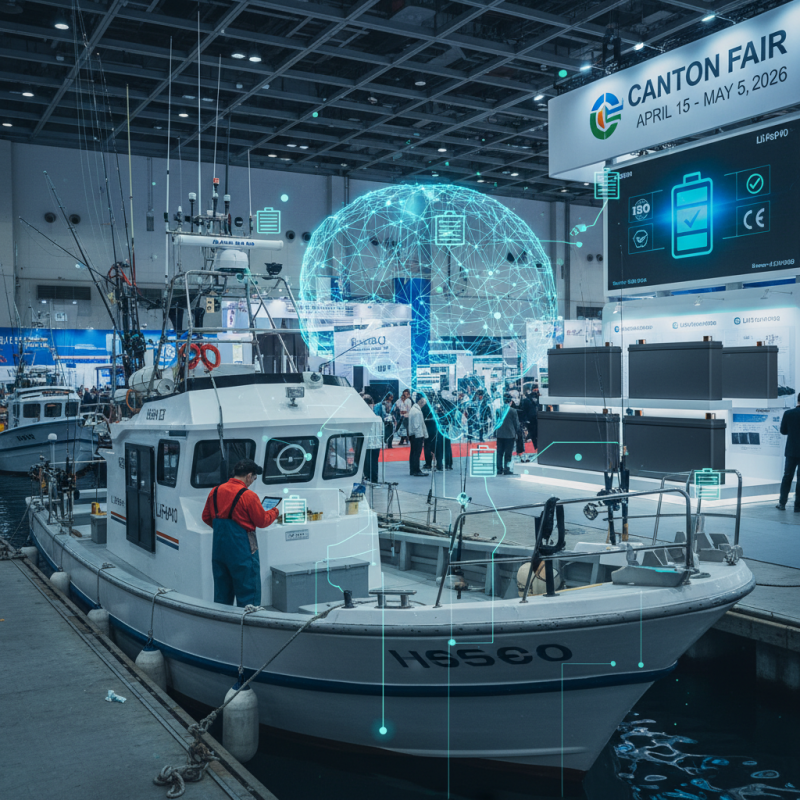
Choosing the right LiFePO4 Fishing Boat Batteries is crucial for any fishing enthusiast. At the upcoming Canton Fair, buyers will find a wide array of options. This event, taking place from April 15 to May 5, 2026, focuses on advanced manufacturing and new materials, including batteries.
LiFePO4 batteries are known for their safety and longevity. As the market for fishing boat batteries grows, selecting the right supplier becomes essential. Buyers can leverage AI tools introduced at the fair to narrow down options quickly. This feature allows for precise navigation within the vast exhibition area, enhancing the overall experience.
It’s important to reflect on the quality of these batteries. Not every supplier will meet necessary certifications like ISO and CE. A careful evaluation is critical. Buyers should consider factors beyond just price; performance and reliability are equally essential. Engaging with suppliers at the fair can lead to better understanding. Ultimately, making informed choices will ensure successful fishing trips for years to come.
Understanding LiFePO4 Battery Technology for Fishing Boats
When choosing LiFePO4 batteries for fishing boats, understanding their technology is crucial. LiFePO4 stands for Lithium Iron Phosphate. This chemistry offers safety and stability. It performs well in marine conditions. The lifespan of these batteries is typically longer than traditional lead-acid options. They resist deep discharges better, meaning you can use them more without damage.
Capacity is vital when selecting batteries. Many factors affect how long they will last on your trips. Evaluate your power needs carefully. Do you run devices like fish finders and electric motors? Each device draws power differently. Pay attention to the total amp-hour rating. Better to choose a higher capacity if uncertain.
Weight should also factor into your decision. LiFePO4 batteries are lighter than other types, which eases boat loading. However, ensure your boat can accommodate the weight distribution. Not all boats are the same, and modifications might be needed. Always check compatibility with your existing system. Sometimes, things don't fit as expected. You might find yourself testing different setups to get it right.
Key Specifications to Consider When Selecting LiFePO4 Batteries
Choosing LiFePO4 batteries for your fishing boat at the Canton Fair requires careful consideration of key specifications. Battery capacity is crucial. A 12V 100Ah LiFePO4 battery can provide reliable energy for your needs. The cycle life is another critical factor. Reports indicate they can last up to 3,000 cycles, significantly longer than traditional lead-acid batteries. This longevity translates to lower replacement costs over time.
Weight is also worth noting. LiFePO4 batteries are lighter than other options, making them easier to handle. Their compact size allows for better space utilization on the boat. Make sure to check discharge rates. Many batteries can deliver high power outputs, but not all perform equally under heavy loads.
Tips: Consider your typical power consumption when choosing a battery. Ensure there is a buffer to account for unexpected usage. Thoroughly research the battery management system (BMS) included with each option. A robust BMS can prevent overcharging and extend battery life. Lastly, always assess the warranty. A longer warranty often signifies confidence in product quality.
Reflect on your specific boating needs. What is your usual travel distance? How much electronic equipment do you typically use? These questions will guide you to the right choice of battery. Remember, the best option may not always be the most expensive.
Evaluating the Capacity and Discharge Rates for Boating Needs
When choosing LiFePO4 batteries for fishing boats, evaluating capacity and discharge rates is crucial. Capacity determines how long the battery can power your electronics. A larger capacity generally means more usage time. For example, if you have a fish finder and livewell, you need sufficient capacity to run these devices throughout your trip.
Discharge rates also play a role in your selection. They indicate how quickly the battery can deliver energy. High discharge rates support devices that demand quick bursts of power, like trolling motors. Conversely, if your devices use less power steadily, a lower discharge rate may suffice. Balancing these needs can be tricky. You might realize that your estimated capacity does not align with real-life usage. Test various configurations to see what fits best.
Consider environmental conditions, too. Cold weather can impact battery performance. Perhaps your selected batteries fall short in frigid temperatures. If your planned fishing is in winter, take this into consideration. Ultimately, reflecting on the balance between capacity, discharge rates, and environmental factors is essential for making an informed decision at the Canton Fair.
Comparing Lifespan and Cycle Life of LiFePO4 Batteries for Longevity
When selecting LiFePO4 fishing boat batteries, understanding lifespan and cycle life is essential. LiFePO4 batteries are known for their longevity. They can last over 2,000 cycles with proper care. This contrasts sharply with traditional lead-acid batteries, which may only last around 500 cycles. A study by the Battery University highlights that LiFePO4 batteries maintain over 80% capacity even after extensive use.
Tips: Choose batteries with a higher cycle life for better performance.
Battery lifespan can vary. Environmental conditions, usage patterns, and charging habits all play a critical role. For example, a battery used in extreme temperatures may degrade faster, losing its capacity over time. Monitoring the state of charge (SOC) is vital. Aim to keep the charge between 20% and 80% for optimal longevity.
Tips: Regular maintenance improves battery life significantly.
Understanding the performance specifications is crucial. Not all LiFePO4 batteries are created equal. Some might promise more cycles than others. Yet, real-world performance may differ. Accurately assessing your boat's power needs ensures that you choose the right battery. Aim for a balance between weight and power output. This will enhance your fishing experience on the water.
Comparing Lifespan and Cycle Life of LiFePO4 Batteries for Fishing Boats
Assessing Cost-Effectiveness and Purchasing Options at Canton Fair
When attending the Canton Fair, choosing LiFePO4 fishing boat batteries can be overwhelming. Evaluating cost-effectiveness is key. Reports indicate that LiFePO4 batteries have a lifespan of up to 10 years. This durability often justifies a higher initial investment. Analyzing long-term costs can provide clarity.
Understanding energy density and discharge rates is crucial. Higher efficiency can minimize costs over time. Industry data suggests that LiFePO4 batteries can be 30% lighter than traditional lead-acid options, enhancing your boat’s performance. Reduced weight can lead to better fuel efficiency and easier handling.
**Tip:** Always compare multiple suppliers during the fair. Take note of warranty conditions and service options. Small differences can lead to significant savings.
Be cautious about hidden costs. Not all suppliers disclose shipping or handling fees upfront. Ask questions and clarify everything. Keep in mind that cheaper batteries may mean lower quality. Investing in a reliable product can save you money in repairs down the line.
**Tip:** Check if the battery meets safety standards. Safety certifications can indicate quality. Make informed choices to avoid later regrets.
How to Choose LiFePO4 Fishing Boat Batteries at Canton Fair? - Assessing Cost-Effectiveness and Purchasing Options at Canton Fair
| Battery Type | Capacity (Ah) | Voltage (V) | Weight (kg) | Price (USD) | Warranty (Years) |
| LiFePO4 100Ah | 100 | 12 | 12 | 800 | 5 |
| LiFePO4 200Ah | 200 | 12 | 24 | 1500 | 5 |
| LiFePO4 300Ah | 300 | 12 | 36 | 2200 | 7 |
| LiFePO4 400Ah | 400 | 12 | 48 | 3000 | 7 |