How to Choose the Best Light Solar Options for Your Home?
Choosing the right Light Solar options for your home can seem daunting. With numerous products and technologies available, making an informed choice is essential. Light Solar systems harness the sun's energy to reduce utility bills and promote sustainability. Understanding your energy needs is crucial.
Consider the specific characteristics of your home. Some locales receive more sunlight than others. The orientation of your roof can heavily influence solar efficiency. Different materials and sizes of solar panels also impact overall performance.
While researching Light Solar options, seek out credible sources and expert opinions. Individual experiences matter, yet the data must support them. Some homeowners find product reviews helpful, while others might look for energy assessments. Embrace the journey toward renewable energy, knowing that it can take time to find the perfect fit. Balancing costs and benefits often requires patience and thoughtful consideration.
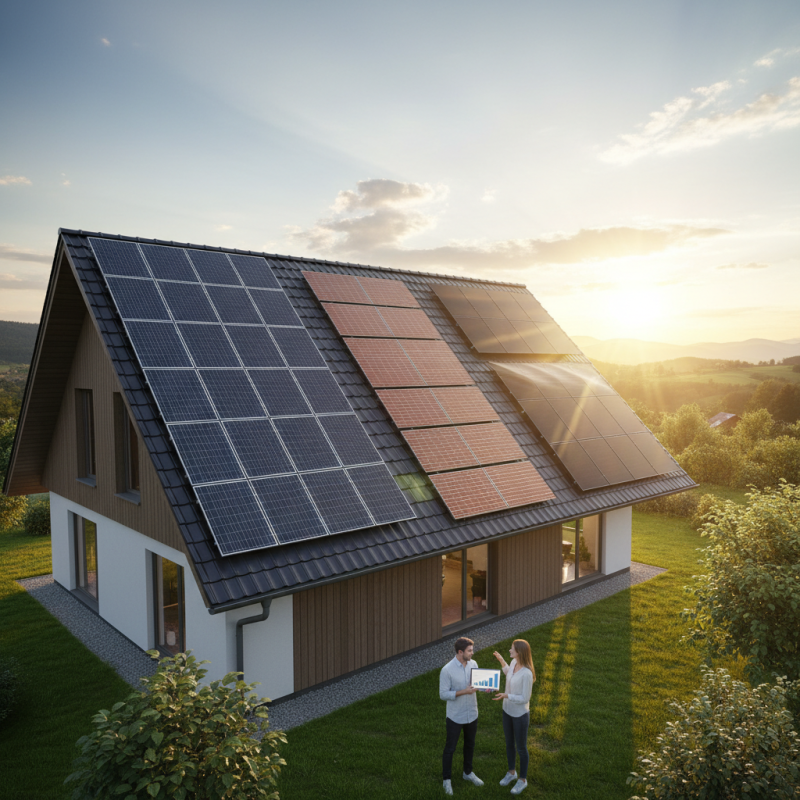
Understanding Solar Light Options for Residential Use
When considering solar light options for residential use, understanding the different types available is crucial. According to the Solar Energy Industries Association (SEIA), solar light systems can reduce energy costs significantly, sometimes by as much as 40%. This makes them an attractive choice for homeowners looking to save money and promote sustainability.
Solar lights come in various styles, such as pathway lights, floodlights, and string lights. Each type serves a unique purpose, enhancing outdoor spaces while providing security. For example, pathway lights are ideal for illuminating walkways, ensuring safety at night. Floodlights can deter intruders and increase visibility. It's important to analyze the specific needs of your property before making a selection.
However, not every solar light option is perfect. The efficiency of solar lighting can vary by location and time of year, especially in regions with low sunlight. Some homeowners report underperformance during winter months. This variability can lead to frustration when expectations do not match reality. Therefore, assess your environment and local climate conditions for the best outcome. Understanding these factors helps in making informed decisions that align with your energy goals.
Evaluating Your Home's Lighting Needs and Preferences
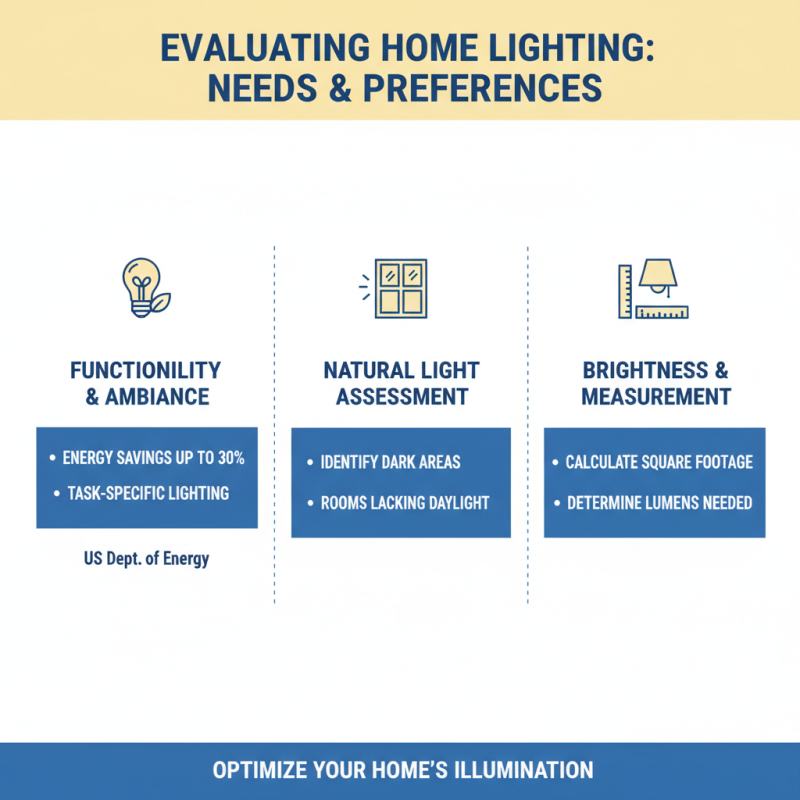
When evaluating your home's lighting needs, consider both functionality and ambiance. The U.S. Department of Energy reports that effective lighting can reduce energy consumption by up to 30%. Identifying key areas where natural light is inadequate is vital. Take note of darker rooms or spaces used for specific tasks. Measuring the square footage helps in determining the brightness required for comfortable living.
Next, think about your preferences. Do you enjoy a bright and airy feel, or do you prefer softer, warmer lighting? Research indicates that color temperature influences mood significantly. Warmer tones (2700K to 3000K) create a cozy atmosphere, while cooler tones (4000K to 5000K) enhance focus and alertness. This information is crucial as it can guide your solar lighting choices to align with how you want to feel in each space.
Lastly, reflect on any challenges you've encountered with traditional lighting. Some may find that they frequently change bulbs or struggle with high energy bills. Solar options can address these issues by offering lower maintenance costs over time. However, ensure that the system you consider fits your roof's orientation and local climate conditions, as efficiency can vary significantly. Balancing aesthetics, functionality, and energy savings can lead to the best decision for your home.
Comparing Different Types of Solar Lighting Products
When exploring solar lighting options, consider the variety of products available. The two main categories include
solar path lights and
solar wall lights. Each serves distinct purposes and varies in efficiency.
Path lights tend to illuminate outdoor walkways, while wall lights provide broader area coverage. According to
the Solar Energy Industries Association (SEIA), adopting solar lighting can lead to
a 30% reduction in energy costs over five years.
Evaluating solar products involves factoring in their lumens output. Higher lumens mean
brighter light. Research shows that for outdoor spaces, a range of 100 to 200 lumens is usually ideal. Additionally,
look for products with durable materials. Many options use weather-resistant
steel or plastic, ensuring longevity. However, it’s crucial to reflect on your specific needs. Not all areas require
the same brightness or style.
You might also consider solar lights with adjustable settings. This adaptability
can make a significant difference in efficiency. Some studies suggest adjustable lights improve energy savings by
up to 25%. Nevertheless, the effectiveness of these lights can depend on your region's sunlight exposure
and installation quality. Regular assessments and adjustments can further optimize performance.
Assessing Installation Requirements and Location
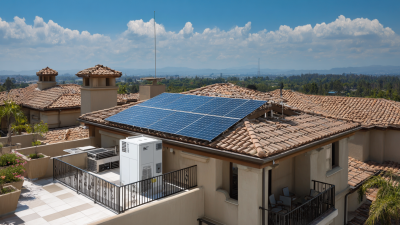
When considering solar options for your home, assessing installation requirements and location is vital. The roof's angle and direction can significantly affect energy production. South-facing roofs generally capture more sunlight. However, not all houses have ideal roof positions. Trees or nearby buildings can cast shadows, leading to reduced efficiency. Checking sunlight exposure throughout the day is essential.
Installation requires more than just space. Homeowner regulations can influence your choices too. In some areas, permits may be necessary before installation. It’s wise to consult local guidelines. Consider hiring a knowledgeable contractor who understands these regulations. They can evaluate your site and suggest suitable systems. Also, installation may involve electrical work. Therefore, hiring a licensed electrician is crucial for safety.
While many homeowners envision solar panels seamlessly blending into their roofs, the reality can differ. Some may feel that panels disrupt home aesthetics. Others may worry about roof damage during installation. Reflect on these aspects before making a decision. Solar can be an excellent investment but it's not without concerns. Being prepared can make the transition smoother.
How to Choose the Best Light Solar Options for Your Home? - Assessing Installation Requirements and Location
| Solar Option |
Installation Requirements |
Optimal Location |
Efficiency Rating |
| Monocrystalline |
Requires precise mounting and limited shading |
Sunny areas with less obstructions |
15-20% |
| Polycrystalline |
Moderate installation flexibility and shading can impact |
Good for varied sunlight conditions |
13-16% |
| Thin-film |
Easier to install but less efficient; requires large area |
Shady areas or where flexibility is needed |
10-12% |
| Bifacial |
Requires proper positioning for dual sunlight exposure |
Open areas with reflective surfaces |
15-22% |
Analyzing Cost-Effectiveness and Return on Investment
When evaluating solar light options for your home, cost-effectiveness emerges as a crucial factor. According to the U.S. Department of Energy, the average cost of solar installations has plummeted by over 70% since 2010. This sharp decline enhances affordability for homeowners, encouraging solar adoption. However, upfront investments still range from $10,000 to $30,000, depending on system size.
Return on investment (ROI) varies significantly by location and energy needs. Research from the National Renewable Energy Laboratory shows that homeowners can expect a payback period of 5 to 10 years. Factors such as installation quality and local incentives can amplify savings. While some fail to realize these savings, a thorough energy audit can lead to better efficiency and higher returns.
Considering long-term energy price trends is also wise. Expectations indicate that electricity costs may rise by 2-3% annually. Thus, investing in solar can offer stability. Balancing short-term costs with potential long-term benefits can create a more sustainable energy future for your household. Analyzing these elements critically is essential for informed decision-making.
Solar Energy Options Cost-Effectiveness Analysis
This chart compares the cost-effectiveness of various solar energy options at home, including Traditional Solar Panels, Solar Roof Tiles, and Solar Water Heaters. The data reflects estimated initial investments and potential savings over 20 years.