How to Choose the Best LED Screen for Your Business Needs?
Choosing the right LED Screen is crucial for any business. Whether you need it for marketing, presentations, or events, the variety of options can be overwhelming. Factors like size, resolution, and brightness play a significant role in making the right choice. You want a product that captures attention and fits your unique needs.
When considering an LED screen, think about your environment. Will it be used indoors or outdoors? The brightness and visibility will differ based on the location. Additionally, assess how you plan to use the screen. Different applications require specific features. Reflecting on your business's goals can help narrow down the choices.
LED screens are a substantial investment. It’s essential to compare brands and ensure you are purchasing from reliable sources. Some screens might seem perfect but lack durability. Take time to read reviews and seek expert opinions. Remember, a poor choice can lead to missed opportunities. Your LED screen should elevate your business, not hinder it.
Understanding Different Types of LED Screens Available in the Market
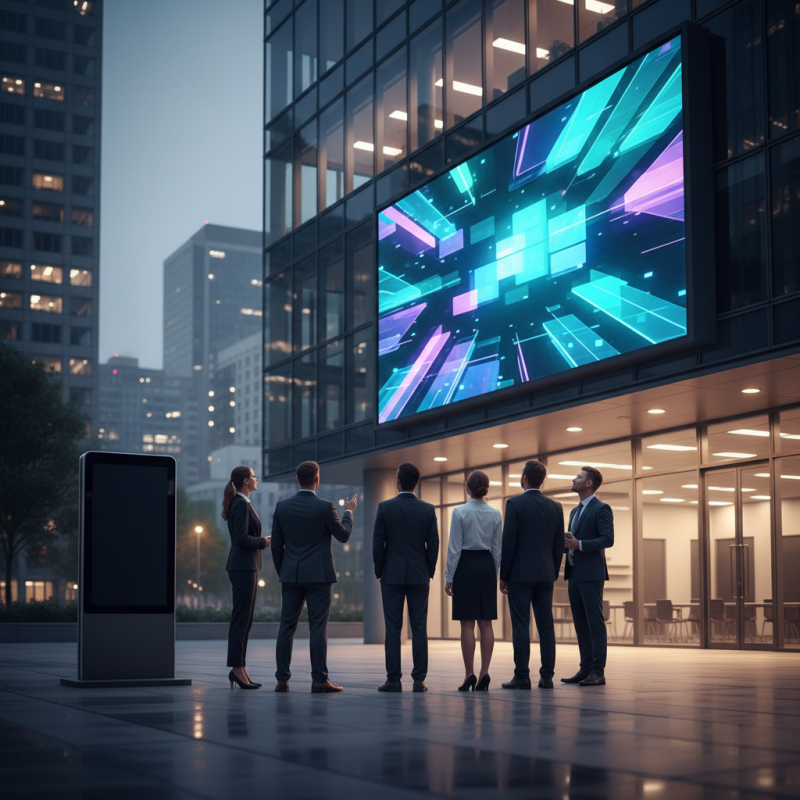
LED screens have become integral to modern businesses. They come in various types, each suited for specific applications. Understanding these types helps ensure the best choice for your needs. Common options include indoor LED displays, outdoor LED screens, and LED video walls. Each serves different purposes and environments.
Indoor LED screens are ideal for retail spaces or conferences. They usually have a higher resolution. A report from the 2022 Screen Industry Analysis indicates that indoor LEDs dominate the market, accounting for over 60% of total sales. In contrast, outdoor LED displays are built to withstand various weather conditions. They feature higher brightness levels, allowing visibility in sunlight. This makes outdoor displays essential for advertising and events.
LED video walls are increasingly popular. They offer flexibility in design and size. Brands use them for immersive experiences. However, one should consider the installation challenges and maintenance costs. A study showed an average maintenance cost of around 15% of the initial investment each year. Analyzing the specific needs and environment is key to making a profitable choice.
Evaluating Your Business Requirements for an LED Screen
When evaluating your business requirements for an LED screen, it’s crucial to consider several factors. First, identify the primary purpose of the screen. Is it for advertising, presentations, or customer engagement? According to a recent report by MarketsandMarkets, the global LED display market is expected to reach $70.57 billion by 2025. This emphasizes the growing importance of effective visual communication in business.
Consider the environment where the screen will be used. Indoor and outdoor settings require different specifications. For instance, outdoor screens need higher brightness and weather resistance, while indoor screens may focus more on resolution and color accuracy. A study by Statista noted that 56% of consumers recall ads better when displayed on digital screens, indicating the power of quality visuals.
**Tips:** Always determine display size based on location. A large screen in a small space can overwhelm, while a small screen in a large area may not attract attention. Evaluate your budget and plan for maintenance costs. Cheaper screens may save money upfront, but could lack durability.
Remember, not all LED screens suit every need. Selecting the right screen involves thorough assessment of your specific business goals and the best technology to achieve them. With the right approach, choosing the appropriate LED screen can enhance your business's visibility and customer engagement effectively.
Key Features to Consider When Choosing an LED Screen
When selecting an LED screen, several key features demand your attention. The resolution stands out as a critical element. Higher resolution provides sharper images. Consider your content type. Will you display text, videos, or images? Each demands different pixel densities for optimal impact. A 1080p screen could suffice for general use, but events may need 4K resolution.
Brightness levels also play a crucial role. A screen's brightness impacts visibility in various environments. For outdoor settings, aim for at least 5,000 nits. Indoor screens can require less. Color accuracy should not be overlooked. Look for screens with a wide color gamut. This feature ensures that your visuals appear vibrant and true to life.
Another important factor is refresh rate. Higher rates result in smoother motion, ideal for dynamic content. However, some screens may trade off refresh rate for resolution. This compromise may not be apparent initially but can affect audience engagement. Consider your specific usage and audience expectations carefully. Make informed choices to avoid potential regrets.
How to Choose the Best LED Screen for Your Business Needs?
| Feature | Description | Importance |
| Resolution | The clarity of the image displayed on the screen, measured in pixels. | High resolution is crucial for detailed visuals. |
| Brightness | Measured in nits, indicates how bright the screen can get. | Essential for visibility in daylight or well-lit environments. |
| Viewing Angle | The maximum angle at which the screen can be viewed without losing quality. | Important for larger audiences viewing from different angles. |
| Durability | Resistance to environmental factors like water, dust, and impact. | Critical for outdoor and public installations. |
| Refresh Rate | How often the image on the screen is updated, measured in Hertz. | Higher rates provide smoother visuals, especially for videos. |
| Installation Flexibility | Options for different mounting styles and configurations. | Allows for optimal use of space and design aesthetics. |
Assessing Budget and Cost-Effectiveness of LED Screens
When considering LED screens for your business, budget plays a crucial role. It's essential to analyze both the initial purchase cost and ongoing operational expenses. Many options exist, from basic displays to advanced models with high resolution. Prices can vary widely based on size and features. A well-planned budget can help you choose wisely.
Cost-effectiveness extends beyond the purchase price. Energy efficiency is key. Some LED screens consume less power over time, reducing electricity bills. Also, think about maintenance costs. High-quality models may cost more upfront but can save you money long-term. Their durability often means fewer repairs or replacements.
Investing in LED screens is not just about numbers. Consider the specific needs of your business. Do you require high brightness or vibrant colors for outdoor displays? Reflecting on your goals can guide your decision. Balancing features and budget is challenging but crucial. Don't rush the choice; taking time can lead to better investments.
Exploring Installation and Maintenance Considerations for LED Screens
When selecting an LED screen for your business, installation and maintenance must not be overlooked. Proper installation is vital for ensuring visual quality and longevity. A misaligned screen can lead to pixel issues and distortion. Reports indicate that over 30% of LED screen failures are due to installation errors. Consulting with experts can mitigate these risks. Make sure the installation site has adequate power supply and ventilation to prevent overheating, which can reduce the lifespan of the screen.
Maintenance plays a critical role in the performance of LED screens. Regular cleaning and calibration can prolong their effectiveness. According to industry data, neglecting maintenance can lead to a 25% decrease in display brightness over time. It's crucial to establish a routine check-up schedule. Consider training staff on basic troubleshooting. This empowers them to handle minor issues swiftly, minimizing downtime. However, not all problems are easily fixable. Some may require professional support, which can be a hidden cost of ownership.
Understanding the environmental factors is equally important. Ambient light, humidity, and temperature fluctuations can affect how an LED screen operates. For instance, using screens in high-heat locations without proper cooling can damage components. Stay informed about your operational environment. Constantly evaluate how these factors impact your screen's performance. This proactive approach can help prevent unexpected outages and further investment in replacements.