How to Choose the Best Solar Panel Connectors for Your Needs?
Choosing the right Solar Panel Connectors is crucial for any solar energy system. These connectors play a significant role in ensuring efficient and safe operation. With various types and specifications available, it can be overwhelming to make an informed decision. Understanding your specific needs and the compatibility of connectors with your solar panels is essential.
Experience matters when selecting Solar Panel Connectors. A reliable connector will enhance the performance and longevity of your solar setup. It’s important to consider factors like voltage ratings, temperature tolerance, and environmental resistance. These elements affect not only functionality but also safety. A poor choice could lead to significant energy loss or even hazards.
Many users often overlook the specifications, focusing instead on price. This mindset can result in regret. By paying attention to the details, you can avoid common pitfalls. Research and consult with experts if necessary. The right Solar Panel Connectors can vastly improve your solar energy experience. Think carefully about your options before making a purchase.
Understanding the Different Types of Solar Panel Connectors Available
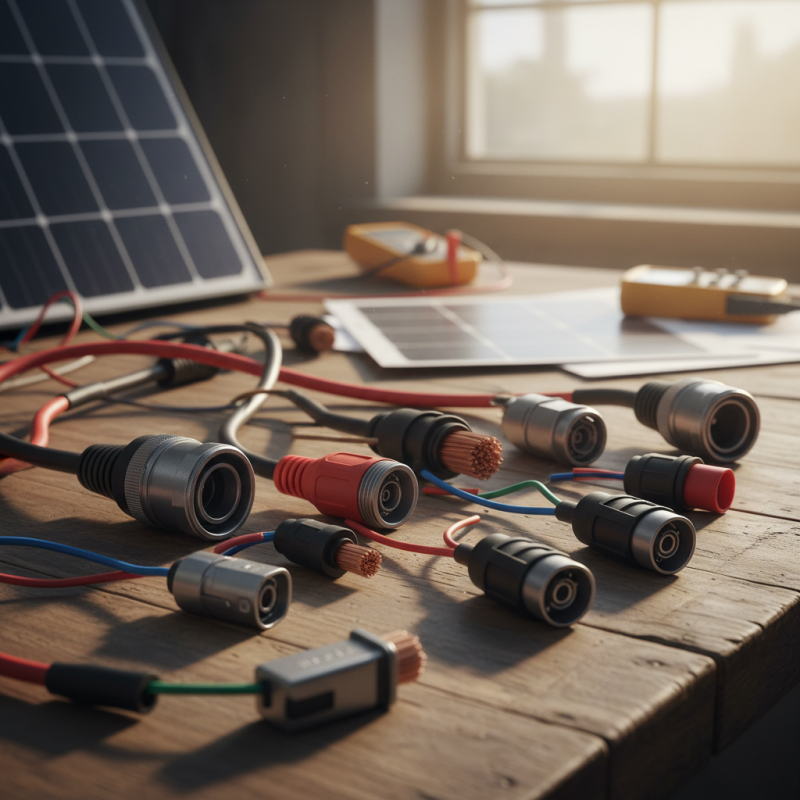
When choosing solar panel connectors, it's essential to understand the different types available. The most common connectors are MC4, Tyco, and Amphenol. MC4 connectors are widely used for their durability and weather resistance. According to a report by the Solar Energy Industries Association, MC4 connectors account for about 90% of the market. Understanding their specifications can enhance system performance.
Consider the environmental conditions where your system will operate. Connectors must withstand UV exposure, moisture, and temperature fluctuations. For instance, in coastal areas, corrosion resistance is vital. Incorrect connector choices can lead to system inefficiencies and increased maintenance costs. Many installers overlook these factors, resulting in suboptimal performance.
Tip: Always check the voltage and current ratings of connectors. It's crucial for compatibility with your solar system. Buying connectors with protective features can save costs in the long run.
Another point to ponder is the ease of installation. Some connectors are simpler to work with, especially for DIY projects. Others may require specialized tools or skills. Taking the time to evaluate your comfort level with installation can save you future headaches.
Key Specifications to Consider When Selecting Solar Panel Connectors
When selecting solar panel connectors, key specifications are crucial. One essential aspect is the connector type. The most common choices are MC4 and MC4-compatible connectors. These connectors are designed to withstand harsh outdoor conditions, ensuring durability. A 2021 industry report showed that over 80% of solar installations used MC4 connectors due to their reliability.
Voltage and current ratings also play a critical role. Most solar panel connectors must support a minimum of 600V and 30A. This rating ensures they can handle the system's output without overheating. Research indicates that improper connector specifications can lead to power loss, potentially reducing the efficiency of solar systems by up to 20%.
Water and dust resistance is another vital consideration. Look for connectors with an IP67 rating, which ensures protection against water and particles. However, even with proper ratings, improper installation can compromise these protective features. Always verify that the installation adheres to industry standards to maintain reliability.
Importance of Connector Ratings for Voltage and Amperage in Solar Systems
When selecting solar panel connectors, understanding their ratings for voltage and amperage is crucial. A recent industry report states that improper connector ratings lead to efficiency losses of up to 20%. This can significantly impact the performance of solar systems. It's vital to match the connector ratings to the specific requirements of your solar panels.
The National Renewable Energy Laboratory (NREL) indicates that connectors must handle the maximum voltage output without failing. Many connectors are rated for 600V, but higher-voltage systems may require connectors rated up to 1500V. Choosing lower-rated connectors can pose risks. They may overheat or fail under high loads.
Amperage ratings are equally important. Connectors must support the current generated by your panels. If the panel produces 10 amps, choose connectors rated above this. Engaging with professional resources can guide your decision-making process. Not all connectors are made equal, so consider all factors to maximize reliability and safety in your solar setup. Ignoring these ratings can lead to system malfunctions.
Evaluating Environmental Durability and Weather Resistance of Connectors
When selecting solar panel connectors, evaluating their environmental durability is crucial. Connectors must withstand harsh conditions. High temperatures, intense UV radiation, and moisture can impact performance. Seek connectors made from robust materials that resist corrosion and UV degradation. Look for those with a high Ingress Protection (IP) rating. It indicates the connector's ability to resist dust and water.
Weather resistance is another vital factor. Connectors need to function in rain, snow, and extreme winds. Ideal connectors should operate in a wide temperature range. Test their resilience against thermal cycling. This ensures they perform well in fluctuating temperatures. When examining connectors, consider their certifications. Industry standards are crucial for ensuring reliability.
You may find it challenging to identify connectors that meet all requirements. Many options are on the market, and not all are equal. Evaluating each product can be time-consuming. Balancing durability and price is often a struggle. As you do research, pay attention to user reviews. They can reveal real-world performance and longevity.
Best Practices for Installation and Maintenance of Solar Panel Connectors
When it comes to solar panel connectors, installation and maintenance play a vital role in ensuring efficiency. Proper installation starts with matching connectors to your solar panels. Use high-quality connectors designed for outdoor conditions. This helps withstand harsh weather and UV exposure. Tightly secure connections to prevent water ingress. Loose connections can lead to power loss or even damage.
Routine maintenance is equally essential. Inspect the connectors regularly for any signs of wear. Look for discoloration or corrosion. These issues can indicate potential failures. Clean the connectors with a soft cloth, avoiding harsh chemicals. Regular checks should become a habit to improve longevity. Document any changes in performance. This data can highlight potential problems before they escalate.
Further, consider your environment. If you live in an area with high humidity or extreme temperatures, connectors need additional care. Sometimes, despite all precautions, issues can arise. Reflect on your installation process to identify any overlooked steps. Proper planning and execution can save time and resources later.