What is a Battery Connector and How Does It Work?
Battery Connectors play a crucial role in the performance and safety of electronic devices. These components ensure reliable power transmission between batteries and their corresponding circuits. According to a recent industry report by MarketsandMarkets, the global battery connector market is projected to reach USD 4.29 billion by 2026, growing at a significant CAGR during the forecast period. This growth is driven by increasing demand in electric vehicles and renewable energy systems.
A battery connector consists of various parts, including terminals, housings, and locking mechanisms. Each element must be designed to withstand specific conditions. The materials used must resist corrosion and thermal stress. Recognizing the importance of these connectors often comes too late, as many applications face failures due to inadequate connections. User education and industry standards remain essential, yet they are not always prioritized.
The consequences of neglecting quality in battery connectors can be severe. Poor connections can lead to energy losses, overheating, or even short circuits. While innovations continue in this field, challenges persist. Future designs must balance cost and performance, ensuring reliability without compromising efficiency. Understanding the intricacies of battery connectors is vital for anyone involved in electronics today.
What is a Battery Connector?
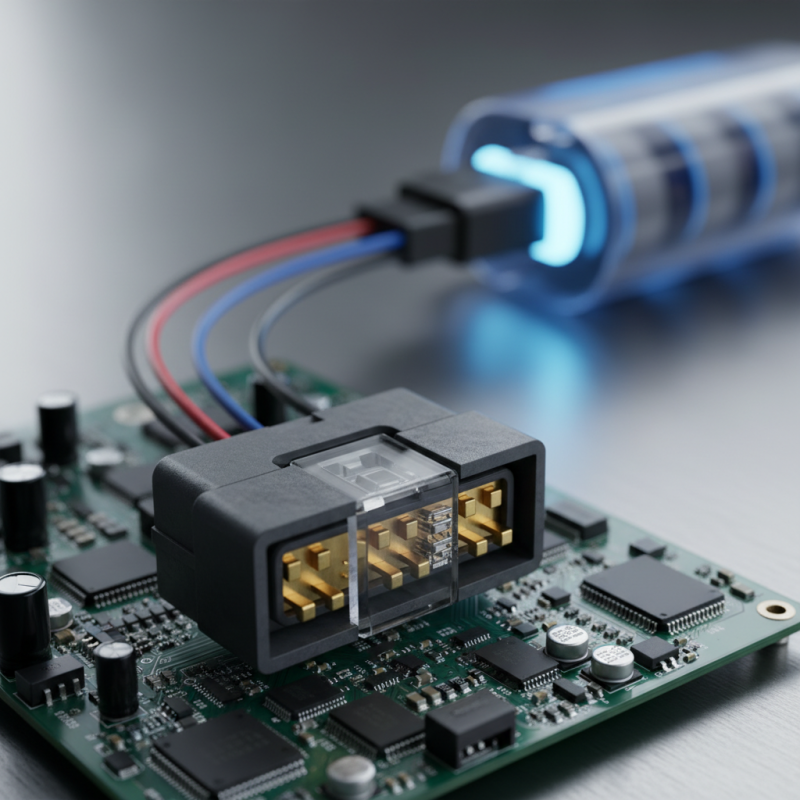
A battery connector is a crucial component that links batteries to devices. Its design impacts not only power delivery but also overall device safety. These connectors come in various shapes and sizes, often tailored for specific applications. Understanding their function can help users make informed choices.
Battery connectors facilitate the flow of electricity, enabling devices to operate efficiently. They can be found in everything from smartphones to electric vehicles. High-quality connectors ensure minimal resistance and heat generation. However, inferior connectors may create issues like poor connectivity or overheating. Regular inspection and maintenance are recommended.
In practical terms, users should be cautious when choosing connectors. A mismatch in specifications can lead to performance problems. Additionally, signs of wear, such as corrosion or loose connections, should prompt immediate attention. Reflecting on these aspects fosters better device longevity and performance.
Types of Battery Connectors: An Overview
Battery connectors are essential components that facilitate the connection between batteries and electronic devices. They come in various types, each designed for specific applications. Understanding these types can enhance your choices when working on projects that require reliable connections.
One common type is the terminal connector. This is often seen in automotive applications, where the connectors are bolted directly to the battery terminals. These connectors provide a robust connection but can be cumbersome to manage in tight spaces. Blade connectors are another popular option. They offer a quick and easy way to connect and disconnect wires, making them ideal for devices that require frequent maintenance or replacement.
On the other hand, soldered connectors deliver a permanent connection but lack the flexibility of other types. While they provide excellent electrical conductivity, they can be challenging to work with if repairs are needed. Users must consider their specific needs carefully. Choosing the right connector is crucial for ensuring device performance. While the variations seem clear-cut, the wrong choice may lead to electrical failures or safety risks. Always assess the requirements and limitations of your project before making a decision.
How Battery Connectors Function in Electric Circuits
Battery connectors are crucial elements in electric circuits, enabling the flow of electricity between batteries and devices. These connectors vary in design, size, and materials, tailored for different applications, from consumer electronics to electric vehicles. The International Electrotechnical Commission (IEC) highlights that reliable connectors are essential for energy efficiency, impacting overall system performance. The wrong connector choice can lead to connection failures or energy loss, illustrating the critical role of these components.
In electric circuits, battery connectors function by establishing a secure link between power sources and loads. They must handle specific voltages and currents without degradation. The literature reports that up to 25% of energy loss in battery systems can be attributed to ineffective connectors. Therefore, selecting a connector that fits the circuit's specifications is vital. Furthermore, proper maintenance and inspection play a pivotal role in ensuring reliability. Frequent wear and tear can lead to poor contact and increased resistance, jeopardizing the entire system's functionality.
Ultimately, while advancements have been made in battery connector technologies, challenges remain. Engineers must consider novel materials that resist corrosion. This ensures longevity and performance in various environments. Conductive paths need to be transparent and reliable to minimize failures. Continued research and development are essential in pushing the boundaries of what battery connectors can achieve, enhancing their reliability in critical applications.
What is a Battery Connector and How Does It Work? - How Battery Connectors Function in Electric Circuits
| Connector Type | Voltage Rating | Current Rating | Material | Applications |
| Molex Connector | 12V | 10A | Polyamide | Consumer electronics |
| Anderson Powerpole | 600V | 80A | Copper, thermoplastic | RC vehicles, solar applications |
| XT60 Connector | 14V | 60A | Gold-plated copper | Drones, electric vehicles |
| JST Connector | 12V | 3A | Polymer | Toys, small electronics |
| SAE Connector | 12V | 50A | Copper | Automotive, RVs |
Key Features to Consider When Choosing a Battery Connector
When selecting a battery connector, several key features deserve attention. The connector's current rating is crucial. It determines how much power can safely flow through without overheating. High current ratings are vital for applications like electric vehicles. Low ratings, on the other hand, could lead to overheating and potential failure.
Another important factor is the connector's locking mechanism. A secure connection prevents accidental disconnections, especially in high-vibration environments. Connectors with locking tabs or latches provide added security. However, they may be bulkier than their standard counterparts.
Material choice plays a significant role as well. Connectors made of copper and nickel-plated contacts enhance conductivity and resist corrosion. Keep in mind, though, that cheaper materials might suffice in less demanding applications, but they're often less reliable. Always reflect on your specific needs and balance cost with performance. This ensures you choose the right connector for your projects.
Applications of Battery Connectors in Various Industries
Battery connectors play a vital role across various industries. In automotive applications, for instance, they ensure the reliable connection of batteries to electric vehicles (EVs). According to a report by Bloomberg New Energy Finance, the global electric vehicle market is projected to reach 28 million units by 2030. This growth escalates the demand for efficient battery connectors to maintain the performance and safety of EVs.
In the renewable energy sector, battery connectors are critical for energy storage systems. The International Renewable Energy Agency (IRENA) forecasts that energy storage capacity will exceed 1,200 gigawatts by 2030. This surge requires robust connectors that can handle high currents and voltages safely. High-quality connectors reduce the risk of overheating and ensure optimal energy flow, but challenges in materials and designs still exist. Many connectors struggle with degradation over time, impacting efficiency.
Medical devices also depend on reliable battery connectors. Life-saving equipment, such as portable defibrillators, needs secure connections to function effectively. A study by Research and Markets indicated that the global portable medical device market would grow to $66 billion by 2025. Yet, the necessity for compact and durable connectors in this domain poses ongoing engineering challenges. Manufacturers must balance size, weight, and reliability, leaving room for improvement in current designs.